What is The Bathroom Remodeling Checklist?
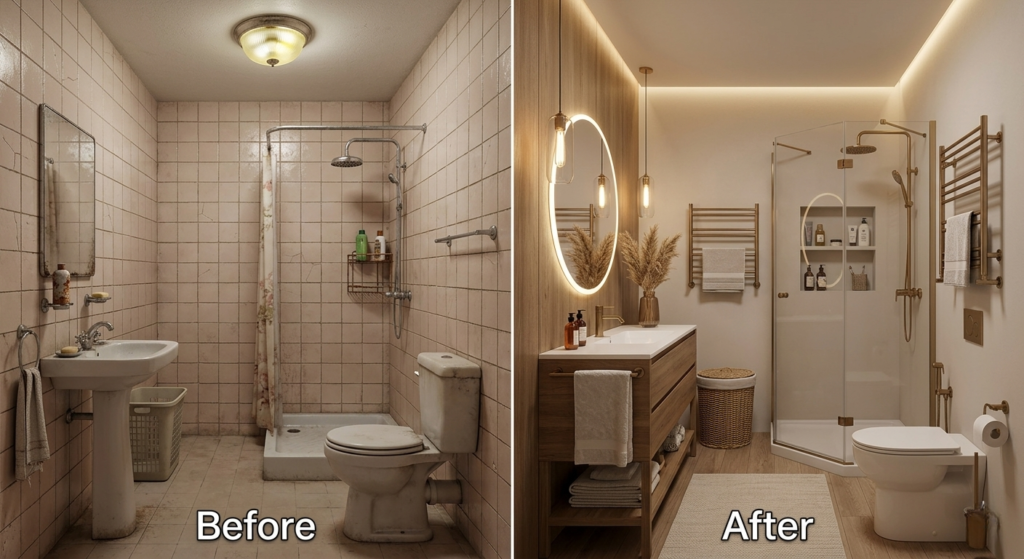
A comprehensive bathroom remodeling checklist acts as a roadmap for your entire project. A successful bathroom remodel requires a strict operational sequence to prevent costly re-work. Following these organized bathroom renovation steps ensures that everything moves smoothly, giving you the best foundation to execute your favorite Bathroom Remodel Ideas. The optimal order of execution is: Layout Planning → Safe Demolition & Fixture Removal → First Waterproofing Coat → Rough-In Plumbing & Critical Pressure Testing → Pipe Coating Shield → Ceiling Setup → Professional Tiling & Color-Matched Grouting → Fixtures, Glass & Sanitary Fit-Out → Lighting & Ventilation Focus → Personal Decor. Prioritizing dual-layer chemical waterproofing and non-slippery floor tiles are the most critical factors for a safe, leak-free, and long-term project success.
Implementing this workflow correctly ensures structural integrity and high-end functionality for your home improvement project. Master planning is especially critical if you are converting a traditional bathroom into a modern 3-partition system to cleanly separate your shower, toilet, and vanity zones. By strictly adhering to this technical order—from zero-leak pressure tests to heavy-duty 8–12mm tempered glass installation—you eliminate unexpected expenses, guarantee maximum safety with non-slippery surfaces, and create a premium space designed to last.
The Pre-Renovation Phase: Master Your Layout First:
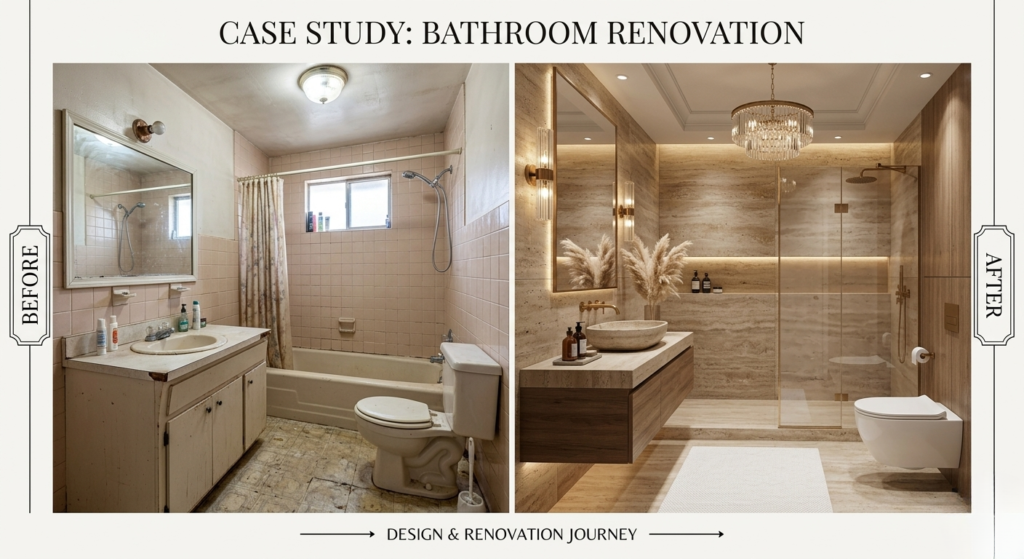
Before breaking a single tile, you must have a crystal-clear map of your bathroom design layout. If you plan to make changes, this is the exact moment to focus on spatial planning.
Upgrading to a Modern 3-Partition Layout:
Many older bathrooms utilize a simple, open design. A major modern trend is converting these into a functional 3-partition layout, which cleanly separates:
- The Shower Area
- The Toilet Area
- The Vanity Area
If you choose this upgrade—or even if you are just shifting one single fixture—you must adjust the entire plumbing infrastructure. Your water supply lines and underground sewerage pipes must be relocated and fixed precisely to match these new dedicated zones.
10 Bathroom Renovation Checklist Phases:
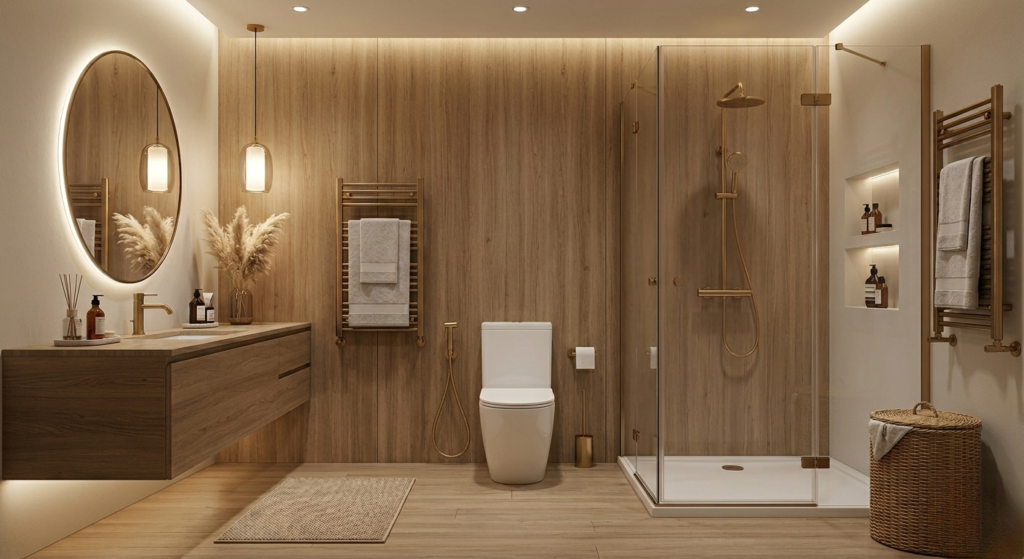
To ensure a smooth workflow and avoid costly mistakes, follow this professional 10-step sequence. This plan is your ultimate guide and complete bathroom remodeling checklist.
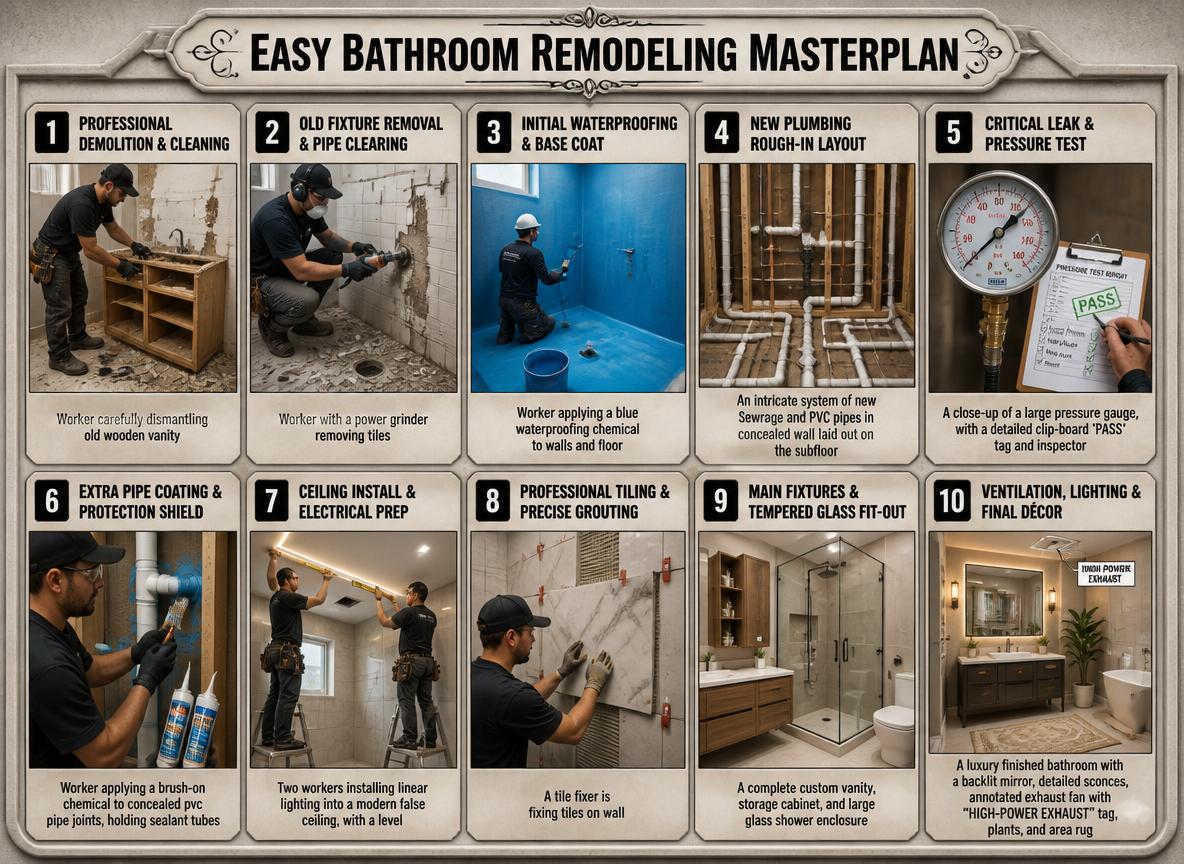
Phase 1: Professional Demolition And Strip-Out:
Professionally disconnect and safely remove the old vanity, commode, and all existing sanitary fittings. Carefully clear out old fixtures to avoid causing any accidental damage to the main supply lines. This initial clearing ensures a blank canvas and a hazard-free environment for the upcoming renovation work.
Phase 2: Old Tile And Plumbing Clearing:
With strict safety protocols in place, chip off and remove all old wall and sub-floor tiles. Rip out the outdated, worn-down water supply and sewerage lines to completely clear the entire layout. Removing these old materials is essential to make room for a brand-new and modern piping system.
Phase 3: Initial Base Waterproofing Process:
Clean the bare concrete surfaces thoroughly to prepare them for the first phase of moisture protection. Apply a high-quality initial base layer of waterproofing chemical across the entire floor and lower walls. This critical barrier protects the structural slab from moisture damage before any new pipes are laid down.
Phase 4: Plumbing Rough-In Layout Setup:
Run and fix your new water supply points precisely along the designated walls of the layout. Position the new sewerage drainage points on the floor according to your final pre-planned bathroom design. Proper alignment during this rough-in stage ensures all future fixtures will line up and fit perfectly.
Phase 5: Critical Pressure Testing Inspection:
Before covering any newly installed pipe, run a high-pressure water test through the entire system. Carefully check every single joint, valve, and connection to ensure there are absolutely zero hidden leaks. This mandatory inspection prevents catastrophic wall dampness and costly repairs after the bathroom is fully finished.
Phase 6: Secondary Pipe Protection Shield:
Once the lines pass the pressure test, apply an extra coat of waterproofing chemical directly over pipes. This secondary coating acts as a resilient shield, sealing all surrounding joints against future moisture seepage. Taking this extra precautionary step guarantees that your overall leakage risks are successfully dropped to absolute zero.
Phase 7: Ceiling Installation Surface Preparation:
If you plan to install a modern false ceiling, always complete this setup before starting any tiling. Finishing the overhead framework first prevents dust, debris, and heavy tools from damaging your new surfaces. This smart sequencing leaves the walls completely ready for a flawless tile installation in the next phase.
Phase 8: Professional Tiling & Color-Matched Grouting:
- Wall Tiling: Always hire professional workers for tiling. Install wall tiles up to a height of 6 to 8 feet, or run them all the way to the ceiling for a premium look. This is also an excellent stage to introduce stunning Accent Walls using textured or contrasting tiles to elevate the visual appeal.
- Non-Slippery Flooring: Next, lay the floor tiles. Because bathrooms are wet zones prone to slips, always use non-slippery, matte-finish floor tiles for safety.
- Color-Matched Grouting: Once the tiles are set, apply a high-quality tile grout. Use a grout color that perfectly matches your tiles. Grouting seals the gaps, completely blocks moisture, eliminates leak risks, and enhances the clean beauty of the room.
- Painting: Paint the remaining wall space above the tiles and finish the ceiling color.
Phase 9: Main Fixtures, Glass & Sanitary Fit-Out:
- Main Ware Installation: Securely fix your new commode and premium Bathroom Vanity cabinet into place.
- Cubical Shower Glass: When completing your shower enclosure installation, use heavy-duty tempered glass paired with a large, sturdy handle for safety and a premium feel.
- Sanitary Fittings: Mount your vanity mirror, then install all sanitary fittings, including the taps, bidet shower (Muslim shower), and floor waste drains.
- Storage Cabinets: Hang a functional Bathroom Storage Cabinet. Excellent placements include the space directly above the commode or on the side of your vanity mirror. You can also incorporate sleek Bathroom Shelves for easy access to daily toiletries.
Phase 10: Lighting, Ventilation & Final Decor:
- The Ventilation Focus: Never overlook ventilation. Install a high-power exhaust fan either in the ceiling or on the window to quickly draw out odors, steam, and damp vapors.
- Accessories: Mount your brush holder, soap hanger box, and a handy shaving mirror nearby. Place dedicated towel hangers in both the shower area and the vanity zone.
- Lighting: Install your main ceiling lights and place dedicated vanity lights directly above the mirror for clear visibility.
- Deep Clean & Decor: Give the entire bathroom a thorough dusting and deep cleaning to wipe away construction debris. Bring in your favorite decor items to achieve a high-end Luxury Bathroom Design. Integrating elements like Natural Materials and Plants can add personality and freshness. Placing a small, soft rug right next to the vanity completes the look perfectly.
10 Steps For Bathroom Remodelings Checklist:
| 1. Demolition | Safely disconnect and remove old vanity, commode, and sanitary fixtures. | Turn off the main water valve before starting fixture removal. |
| 2. Tile & Line Clearing | Strip away all old walls and sub-floor tiles, and rip out old plumbing. | Wear safety gear; carefully plug main open drain lines to avoid debris blockages. |
| 3. Base Waterproofing | Apply the first base chemical layer over bare concrete floor and walls. | Ensure surfaces are completely dry and cleaned of dust before application. |
| 4. Plumbing Rough-In | Position and secure new water supply wall points and floor drainage lines. | Double-check heights and positioning against your modern 3-partition layout. |
| 5. Pressure Testing | Execute a comprehensive high-pressure leak test on all new pipe joints. | Do not skip the pressure test under any circumstances. |
| 6. Pipe Coating Shield | Apply a secondary protective coat of waterproofing chemical over the pipe lines. | This extra layer drops structural leakage risks to absolute zero. |
| 7. Ceiling Installation | Install the structural infrastructure and layout for the new false ceiling. | Completing this stage before tiling prevents damage to your new tiles. |
| 8. Tiling & Grouting | Fit wall/floor non-slip tiles and apply matching color tile grout. | Use a non-slippery surface for safety and grout precisely to lock out moisture. |
| 9. Fixture & Fit-Out | Mount the commode, vanity cabinet, 8-12mm shower glass, and taps. | Use high-grade steel clips for anchoring heavy glass partition panels. |
| 10. Finish & Styling | Install lighting, exhaust fan, storage cabinets, and add personal decor items. | Complete a full deep clean wipe-down before styling the luxury space. |
Conclusion: Empowering Your Renovation Journey:
Over my 10+ years of hands-on experience in the interior design and home renovation industry, I have seen countless homeowners face stress, unexpected costs, and poor contractor work simply due to a lack of a proper plan. My basic purpose in writing this guide was to break down the mystery of bathroom remodeling and give you a transparent, step-by-step roadmap. Having a reliable bathroom remodeling checklist ensures you do not miss crucial quality checkpoints.
By detailing everything from layout shifting to pressure testing and final decor styling, my goal is to hand you the complete industry knowledge. Whether you are managing the project yourself or hiring a professional contractor, you now hold the exact blueprint needed to supervise the work confidently, ask the right questions, and ensure a leak-free, beautiful luxury bathroom that lasts for decades. Use this bathroom remodeling checklist as your permanent reference throughout the project.
Frequently Asked Questions (8 Common Problem-Solving Solutions):
1. What should I do if my contractor says a plumbing pressure test is not necessary?
As an expert, my strict advice is: never skip the hydrostatic test (pressure test). Contractors sometimes try to rush the process to save time. If they cover the pipes without testing and joint leaks later, you will have to break your brand-new, expensive tiles to fix it. Insist on seeing the pressure test with your own eyes before allowing any tile work to begin.
2. Can I install new tiles directly over my old bathroom tiles to save money?
While it is technically possible using special bonding agents, it is highly discouraged in a proper renovation. Layering new tiles over old ones adds immense weight to the walls, reduces the actual floor space, and covers up potential hidden problems like water rot, mold, or rusted pipes. Always strip down to the bare brick and sub-floor for a lasting result.
3. How do I prevent water from leaking into the bedroom wall connected to the bathroom?
This is a very common problem caused by poor waterproofing. To fix this permanently, make sure the waterproofing chemical coat is applied at least 6 to 8 feet high on the shower walls, and not just on the floor. Pay extra attention to the corners where the wall meets the floor, as these joints are the primary source of moisture seepage into adjacent rooms.
4. What is the solution if my bathroom floor retains water and does not drain properly?
This happens due to a wrong floor slope (gradient). Before the floor tiles are permanently fixed, ensure the mason creates a clear, angled slope directing toward the waste drain (jali). You can test this during the rough plaster stage by pouring a bucket of water on the floor; if the water pools anywhere, the slope must be corrected immediately before tiling.
5. Why is my new bathroom getting black spots (mold) on the ceiling and walls?
Black mold is a direct result of trapped moisture and poor ventilation. If your bathroom does not have a large window, you must install a high-quality exhaust fan on the ceiling or wall. Keeps the fan running for at least 15–20 minutes after every shower to completely clear out the damp vapors and steam.
6. What should I do if my chosen tiles are out of stock during the renovation?
To avoid this project-halting issue, always purchase all your tiles, vanities, and fixtures before starting the demolition phase. If you have already started and run out, never mix a different batch or color shade on the main wall, as it ruins the entire look. Instead, use a contrasting tile to create an intentional “feature wall” or border design.
7. Why is the water pressure in my new shower very low compared to before?
Low water pressure after a remodel usually happens because construction debris, sand, or cement dust gets trapped inside the new pipe lines or the shower head filter during installation. Before fixing the final taps and shower heads, always flush the main water supply lines completely to clear out any trapped blockage.
8. How can I make sure the 8mm to 12mm glass partition stays completely stable?
Heavy tempered glass requires solid anchoring. Make sure the glass is fixed using high-grade brass or stainless steel channels/clips that are drilled securely into the wall and floor. Additionally, ensure the structural joints are sealed with professional, anti-fungal silicone to prevent both glass rattling and water leakage into the vanity area.

Muhammad Imran is a professional content writer and home interior designer with over 10 years of high experience. He holds a Master’s Degree and has deep expertise in home improvement, home decor, kitchen design, and bathroom remodeling. Through Master Home Decor, he works as a content writer to share his real-world experience and simple, high-quality ideas to help readers create their dream homes.